Source silver bicycle bell for Kids Bike, Road Bike, and Mountain Bike
Compare 30 listings for the silver bicycle bell from verified Chinese manufacturers. Buyers can evaluate specifications like weight, material, and customization options to find the right supplier for ordinary, road, or kids bikes.
Key considerations
Products List


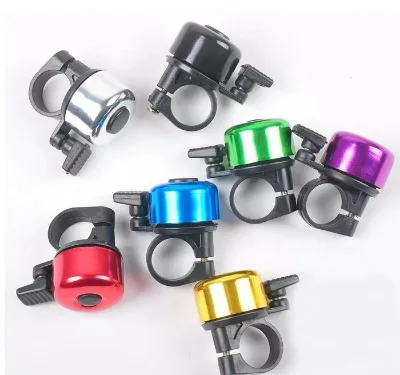
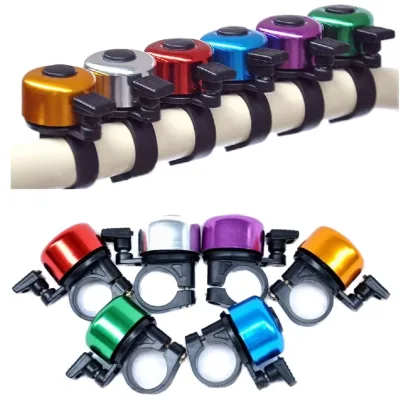
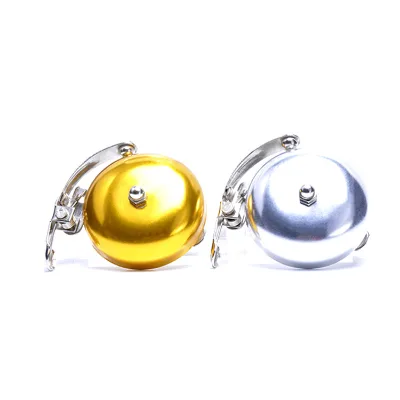
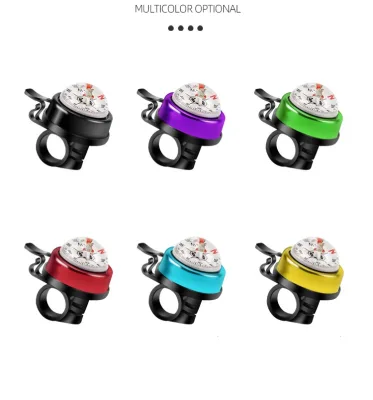


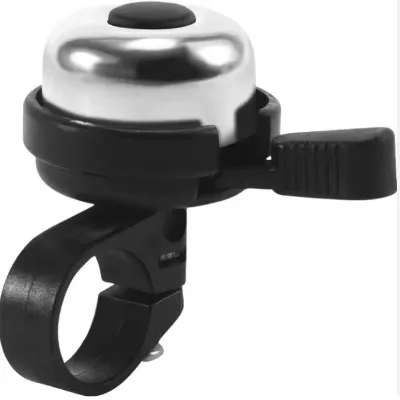

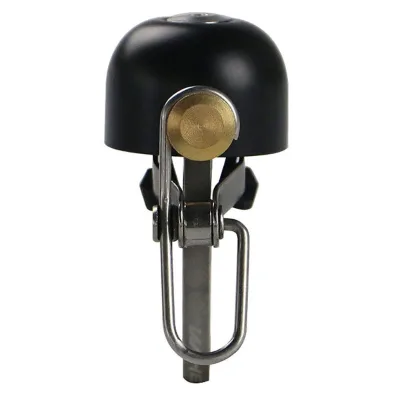
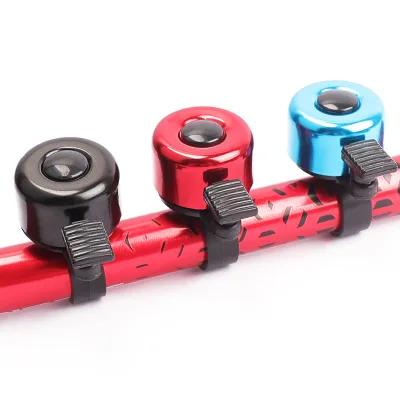
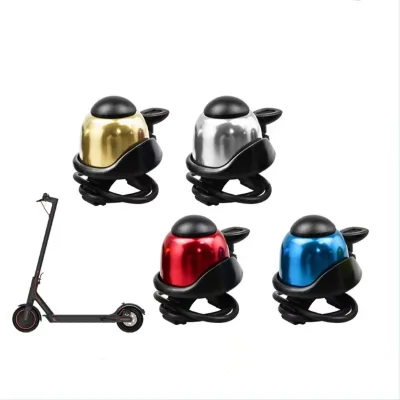
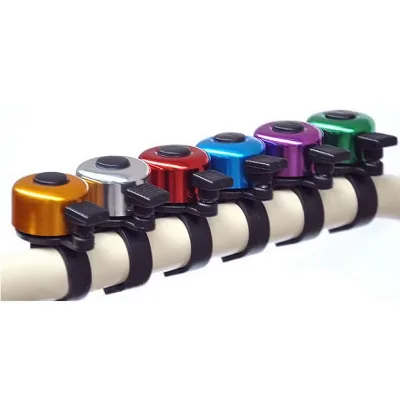
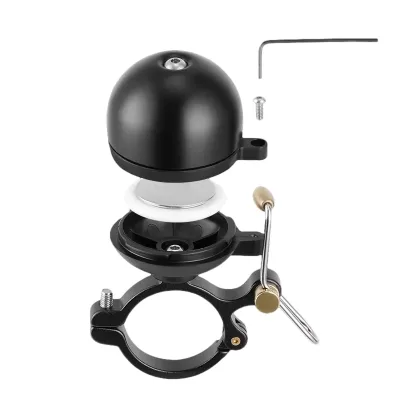
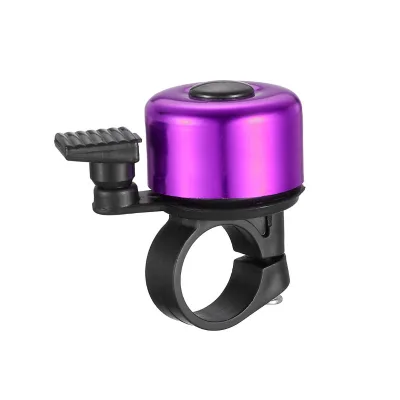
Comprehensive Sourcing Guide
Silver Bicycle Bell Sourcing Guide
Sourcing silver bicycle bells requires a disciplined approach to balancing aesthetic consistency with functional reliability. The silver finish is not merely a cosmetic choice; it often indicates the underlying material, typically aluminum or aluminum alloy, which offers a favorable strength-to-weight ratio and natural corrosion resistance. Buyers must recognize that "silver" can refer to a brushed, polished, or anodized surface, each requiring different quality control protocols to ensure uniformity across large production runs. This guide provides evidence-based procurement strategies for sourcing these components, focusing on verified specifications, compliance requirements, and supplier evaluation criteria derived from current market data.
The procurement landscape for bicycle bells is characterized by a wide variance in product attributes, from material composition to packaging standards. While many listings emphasize customization options, buyers must distinguish between superficial aesthetic changes and structural modifications that affect performance. The following sections detail the critical verification steps necessary to secure a supply chain that meets both technical performance standards and commercial viability. By adhering to these guidelines, procurement teams can mitigate risks associated with inconsistent quality, non-compliant materials, and unreliable supplier commitments.
Product Scope and Observed Listing Signals
The observed market data indicates a diverse range of bicycle bell products, with prices ranging from $0.10 to $5.00 USD and minimum order quantities (MOQs) varying between 5 and 1,000 units. This wide price band suggests significant differences in material quality, manufacturing processes, and branding levels. Buyers should note that lower price points often correlate with basic aluminum construction or simpler packaging, while higher prices may reflect premium finishes, custom branding, or stricter quality assurance protocols. Understanding this spectrum is crucial for aligning procurement budgets with the intended market positioning of the final bicycle product.
Product attributes reveal that these bells are primarily designed for kids' bikes, ordinary bicycles, road bikes, and mountain bikes, indicating a versatile application scope. The observed weights range from 19g to 69g, with specific models like the HC-PJ-115 weighing 69g and others like the A3721062 weighing 19g. These weight differences often reflect variations in material thickness and internal mechanism design. Buyers must verify that the selected weight aligns with the target bicycle's design specifications, as heavier bells may add unnecessary bulk to lightweight road bikes, while lighter bells might lack the acoustic presence required for safety in noisy environments.
Technical Specifications to Verify
Material composition is a primary technical differentiator, with observed listings specifying both steel and aluminum alloys. Aluminum alloy is frequently cited for its lightweight properties and resistance to rust, making it suitable for outdoor use. However, buyers must verify the specific alloy grade and surface treatment, such as anodizing or polishing, to ensure durability. Steel bells, while potentially more durable in terms of impact resistance, require additional coating to prevent corrosion. Procurement teams should request material test reports or mill certificates to confirm that the specified material matches the physical product received, preventing discrepancies between samples and bulk orders.
Physical dimensions and acoustic performance are critical for user experience and regulatory compliance. Observed specifications include sizes such as 35*52mm and lengths of 5.2cm, with models like HC-PJ-187 and HC-PJ-191 representing different form factors. The sound production is described as "impact," which typically refers to the clapper mechanism striking the bell body. Buyers should verify the decibel level and frequency of the sound, as these factors determine the bell's effectiveness in alerting pedestrians and other cyclists. Additionally, the mounting mechanism must be compatible with the handlebar diameter of the target bicycle, requiring precise measurement of the clamp or screw hole dimensions.
Compliance and Safety Documentation
Certification requirements vary by market, with observed listings mentioning ISO, CE, BSCI, and EEC certifications. These certifications indicate adherence to specific quality management, social responsibility, and safety standards. Buyers must confirm which certifications are valid and applicable to their target markets, as CE marking is mandatory for products sold in the European Economic Area. It is essential to verify that the certifications are issued by accredited bodies and are not merely self-declared claims. Requesting copies of the certificates and checking their validity dates is a critical step in ensuring legal compliance and avoiding customs delays or product recalls.
Safety standards for bicycle bells often include requirements for sound intensity, material toxicity, and mechanical strength. While specific numerical standards like ISO 9001 are mentioned in background data, buyers should verify the exact product-specific standards, such as EN 14764 for bicycle safety requirements. The presence of "A-class" standards in some listings suggests a tiered quality system, but buyers must clarify what this classification entails in terms of defect rates and performance metrics. Ensuring that the bells meet the relevant safety standards for the destination market is non-negotiable for maintaining brand reputation and legal compliance.
Cost Drivers and Commercial Terms
The cost of silver bicycle bells is influenced by material prices, manufacturing complexity, and customization levels. Aluminum alloy prices fluctuate based on global market conditions, directly impacting the unit cost. Customization options, such as logo printing or unique packaging, add to the production cost but can enhance brand value. Buyers should analyze the cost breakdown to understand the proportion of material, labor, and overhead costs. This analysis helps in negotiating better prices and identifying areas where cost savings can be achieved without compromising quality.
Commercial terms, including MOQs and packaging specifications, play a significant role in total procurement costs. Observed MOQs range from 100 to 1,000 pieces, with packaging options including polybags, cartons, and neutral packing. Larger MOQs often result in lower unit prices but require higher inventory investment. Packaging dimensions, such as 45x32x24cm for 200 pieces, affect shipping costs and storage efficiency. Buyers should optimize order quantities to balance cost savings with inventory holding costs, considering lead times and demand forecasts. Clear agreement on packaging standards is essential to prevent damage during transit and ensure efficient handling at the destination.
Supplier Qualification and Quality Control
Supplier qualification involves assessing manufacturing capabilities, quality management systems, and financial stability. Buyers should verify the supplier's production capacity and lead times to ensure they can meet demand fluctuations. Observations indicate origins in Hebei Xingtai, Zhejiang Ningbo, and Guangdong, China, each region having specific industrial strengths. Buyers should conduct site audits or request third-party inspection reports to verify the supplier's actual production environment and quality control processes. This due diligence helps in identifying potential risks related to production consistency and ethical labor practices.
Quality control protocols must be clearly defined and enforced throughout the production process. Buyers should establish incoming inspection criteria, including visual checks for surface finish, dimensional verification, and acoustic testing. Statistical sampling plans, such as AQL (Acceptable Quality Limit), should be agreed upon to determine the number of units to inspect. Defect classification, distinguishing between critical, major, and minor defects, helps in making informed acceptance decisions. Regular communication with the supplier regarding quality issues and corrective actions is essential for maintaining consistent product quality over time.
Long-Term Procurement Checks
Long-term procurement success depends on continuous monitoring of supplier performance and market trends. Buyers should track key performance indicators (KPIs) such as on-time delivery rate, defect rate, and responsiveness to issues. Regular performance reviews with suppliers help in identifying areas for improvement and strengthening the partnership. Additionally, staying informed about changes in material costs, regulatory requirements, and technological advancements allows buyers to adapt their sourcing strategies proactively. This ongoing evaluation ensures that the supply chain remains resilient and competitive.
Sustainability and ethical sourcing are increasingly important considerations in long-term procurement. Buyers should assess suppliers' environmental practices, such as waste management and energy efficiency, and their adherence to social responsibility standards like BSCI. Engaging with suppliers on sustainability initiatives can enhance brand reputation and meet the growing demand for ethically produced goods. By integrating these considerations into the procurement strategy, buyers can build a supply chain that is not only cost-effective but also socially responsible and environmentally conscious.
FAQs
What materials are used for silver bicycle bells?
Silver bicycle bells are commonly made from steel or aluminum alloy. Some products feature aluminum construction while others use steel, with weights ranging from 19g to 69g depending on the specific model and size selected for the application.
Can I get customized silver bicycle bells?
Yes, customized silver bicycle bells are available for many models. Buyers can request specific colors and customizations, though some standard models like the A3721011 are listed as non-customized options for ordinary or road bikes.
What certifications do silver bicycle bells have?
Many silver bicycle bells carry ISO certifications and other standards like BSCI, CE, or EEC. Specific models may also meet standards such as 171G or A-class, ensuring they meet quality requirements for children's bikes and ordinary bicycles.
How much does a silver bicycle bell cost?
The price for silver bicycle bells typically ranges from 0.1 to 5 USD per unit. Costs vary based on material, customization, and order volume, with minimum order quantities starting as low as 5 pieces for some suppliers.
Where are silver bicycle bells manufactured?
Silver bicycle bells are primarily manufactured in China, with origins in Hebei Xingtai, Zhejiang Ningbo, and Guangdong. These locations supply products for the worldwide market, offering various sizes from small to medium dimensions.
What is the minimum order quantity for silver bicycle bells?
The minimum order quantity for silver bicycle bells ranges from 5 to 1000 pieces depending on the supplier. Some specific models require a minimum of 100 pieces, while others may accept smaller trial orders for testing purposes.
How are silver bicycle bells packaged?
Silver bicycle bells are packaged in cartons, polybags, or neutral packing options. Specific packaging dimensions like 45x32x24cm for 200 pieces are common, and some items include branding like the Jalyn logo on OPP bags.